


Decision Intelligence
By

You’ve got AI tools.
You’ve got dashboards.
You’ve probably invested in more software in the last 2–3 years than ever before.
So let’s ask the uncomfortable question:
Not busier.
Not more “data-driven.”
More profitable. More consistent. More predictable.
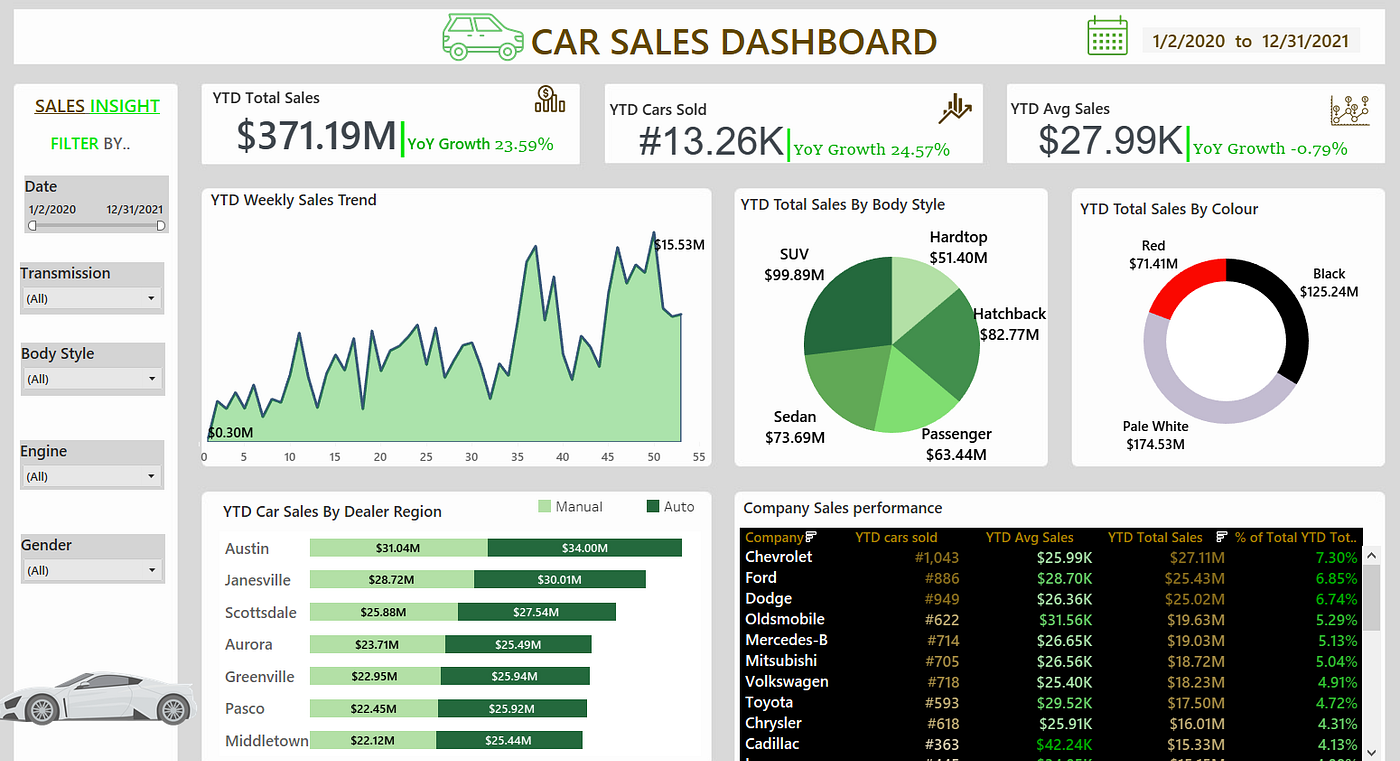
For most dealerships, the honest answer is… not really.
And it’s not because AI doesn’t work.
It’s because of how it’s being used.
AI was supposed to improve pricing, optimize inventory, increase retention, and make marketing smarter.
And technically… it can.
But in reality?
Most dealerships are still dealing with:
Despite having more tools than ever.
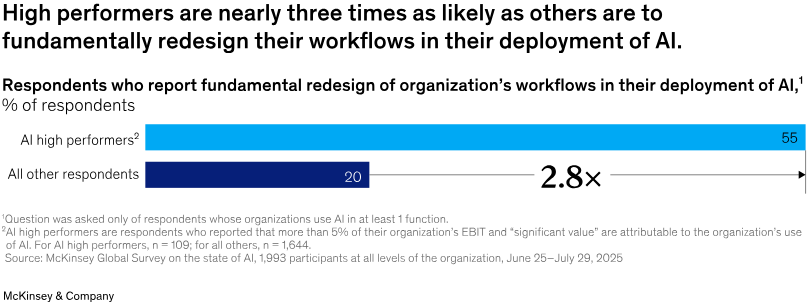
According to McKinsey & Company, companies that fully integrate AI into their workflows see significantly higher performance gains compared to those using it in isolated functions.
That gap between what AI promises and what dealerships actually experience is bigger than most people admit.
Look at the typical dealership setup today:
Each system is doing its job.
Each system is “smart” in its own way.
But none of them are making your dealership smarter as a whole.
Sales teams feel it when pricing doesn’t line up with what they’re seeing on the floor.
Managers feel it when numbers don’t match across systems they’re supposed to trust.
And over time, those gaps turn into hesitation, second-guessing, and missed opportunities.

You don’t have one system.
You have multiple systems making independent decisions.
This isn’t just a technical issue.
It’s a financial one.
Two similar vehicles. Two different appraisals.
Not because your team isn’t capable but because the system behind them isn’t aligned.
Across hundreds of deals?
That’s real money.
AI tools can suggest prices.
But if they’re not connected to:
Then they’re reacting not improving.
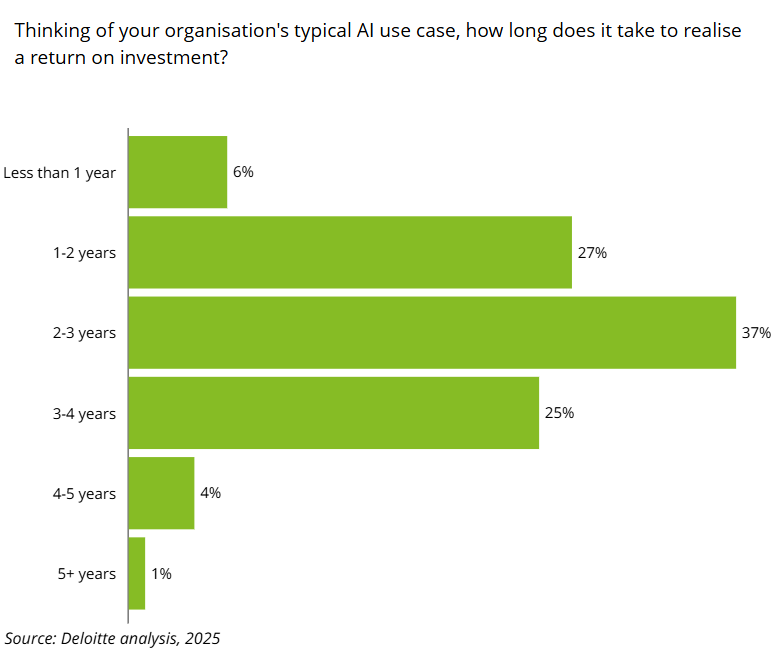
Deloitte highlights that many companies struggle to achieve ROI from AI due to lack of integration across systems.
Your marketing platform is optimizing.
Your CRM is tracking.
But the learning loop isn’t fully closed.
So you get:
…but not consistently better outcomes.
This one stings the most.
Your dealership generates valuable data every single day.
But most of it:
Instead of improving your decisions.
Gartner estimates poor data quality costs organizations an average of $12.9 million per year.
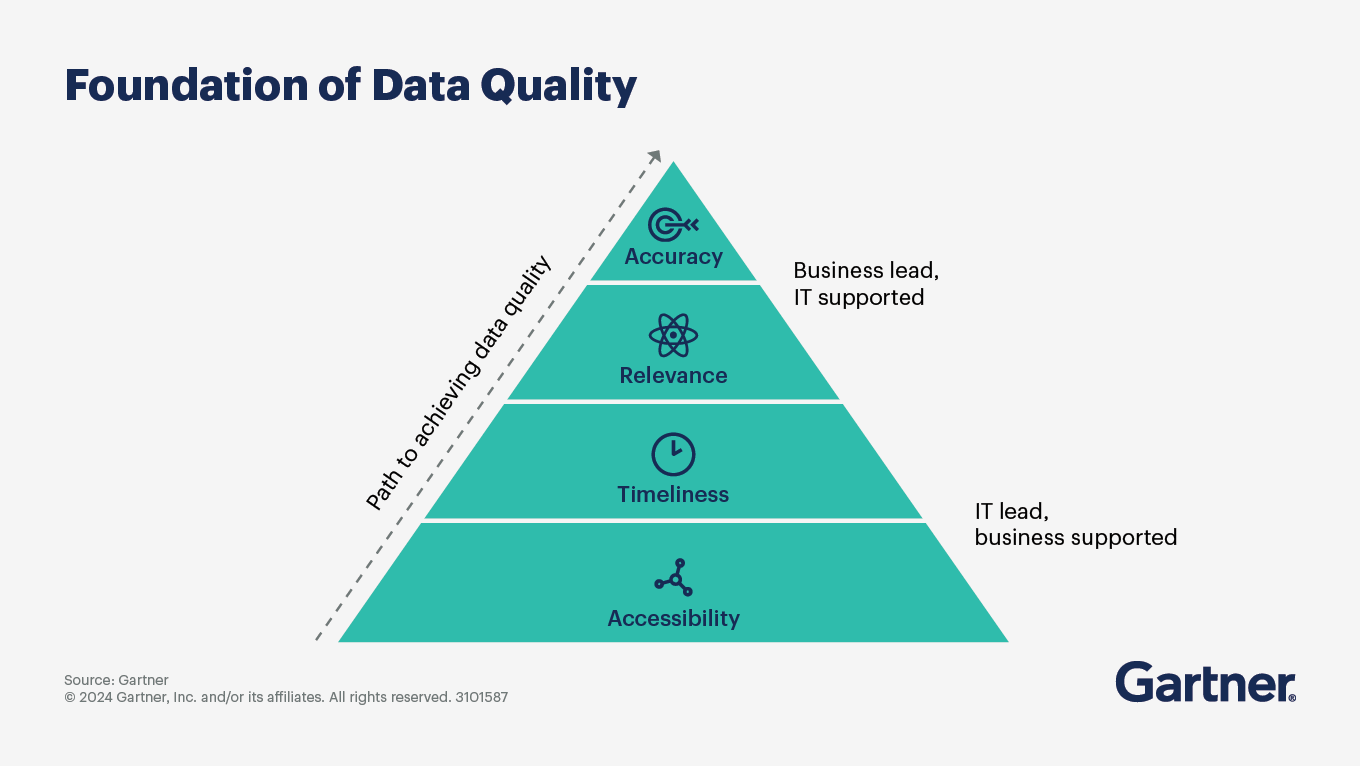
In automotive, it doesn’t show up as one big number.
It shows up quietly:
It’s not a lack of tools. It’s not dashboards.
And it’s definitely not more AI.
What’s actually missing is how decisions connect across the dealership.
Right now, most systems operate in isolation. Each one produces insights, recommendations, or outputs but those outputs don’t consistently inform what happens next. There’s no continuity between decisions. No compounding effect.
So even when the tools are working, the overall system isn’t improving.
And that’s the gap.
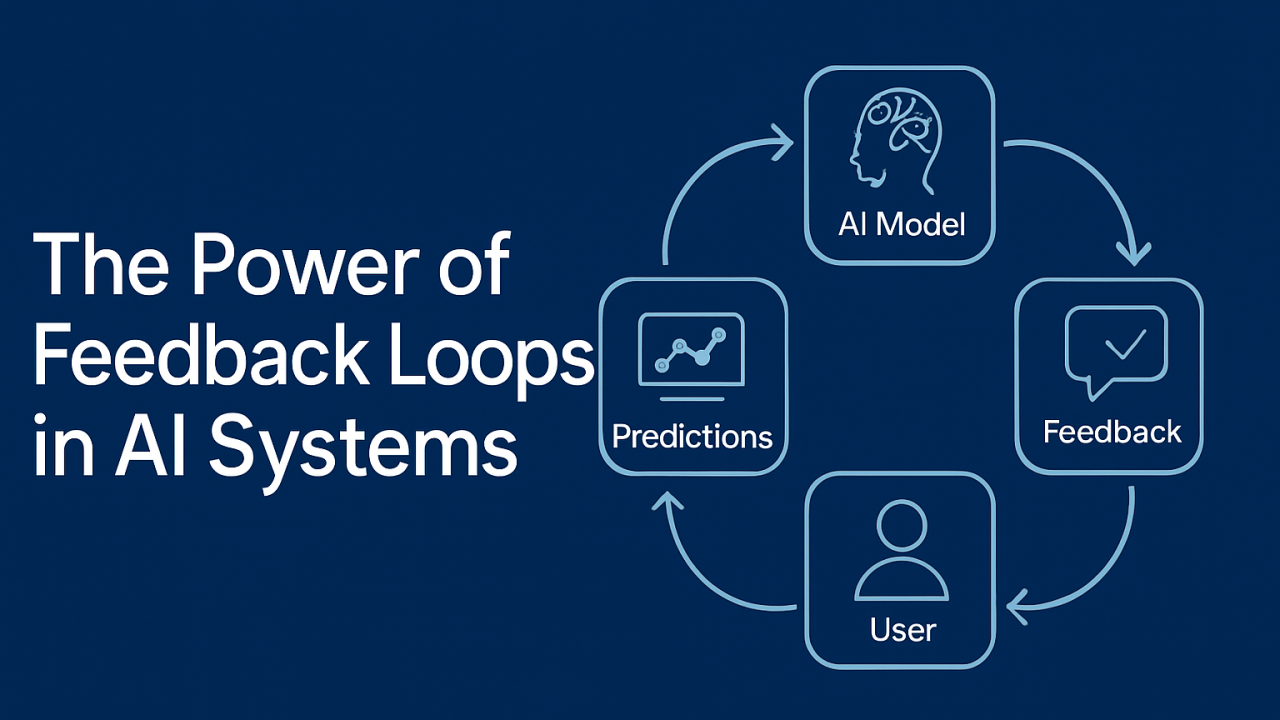
Right now, most dealerships operate like this:
When decisions start connecting across systems, the impact becomes visible almost immediately.
Appraisals stop varying from one instance to another. Pricing becomes more grounded in actual performance, not just static inputs. Marketing efforts begin to align more closely with what actually converts, not just what performs well on the surface. Service data feeds back into retention strategies in a meaningful way.
Over time, something even more important happens: performance becomes predictable.
And predictability is what allows dealerships to scale with confidence, not just operate reactively.
To be clear, this isn’t about dealerships needing to own every piece of technology they use.
They don’t need to build AI models from scratch. They don’t need to replace every vendor. And they definitely don’t need to rebuild their entire tech stack.
What they do need is a way for decisions to work together across the systems they already rely on.
Because that’s the real difference between simply using AI tools and actually benefiting from them in a measurable way.
The next phase of AI in automotive isn’t going to be about adding more tools, more dashboards, or more features.
It’s going to be about how well systems connect, how clearly decisions align, and whether learning actually carries forward instead of resetting.
When that shift happens, AI stops behaving like an operational expense.
It starts behaving like an asset, something that improves over time, not something that needs constant input just to maintain baseline performance.
At this point, the real question isn’t how many tools a dealership uses or how advanced they claim to be.
It’s much simpler than that.
If all your systems disappeared tomorrow, what would your dealership actually know and what would it be able to do with that knowledge?
Because that answer reveals whether your intelligence is truly yours… or just spread across tools that never quite come together.
And right now, that’s where most dealerships are still falling short.
That’s the difference between having data… and having intelligence.